April 18, 2026
Concrete pavers have become a preferred option for patios and driveways because they combine durability, design flexibility, and long-term value. As outdoor living spaces take on a greater role in home design, property owners want materials that perform well while enhancing visual appeal. Interlocking pavers meet these expectations by offering strength, style, and practical benefits in one system. Their structure allows them to handle weather changes, heavy loads, and daily wear while maintaining an attractive finish. For homeowners seeking a reliable hardscaping solution, this material continues to stand out as a versatile and cost-effective investment.
1. Durability and Longevity
1.1 Resistance to Weather
Changing temperatures and harsh weather conditions can quickly damage traditional concrete or asphalt surfaces. In contrast, interlocking pavers are designed to flex slightly as the ground shifts. Small joints between each unit allow movement without cracking. This flexibility helps prevent structural damage caused by heat expansion, freezing temperatures, or heavy rainfall. Their dense composition also resists fading from UV exposure, allowing surfaces to maintain color and integrity for years.
1.2 Strength for Driveways
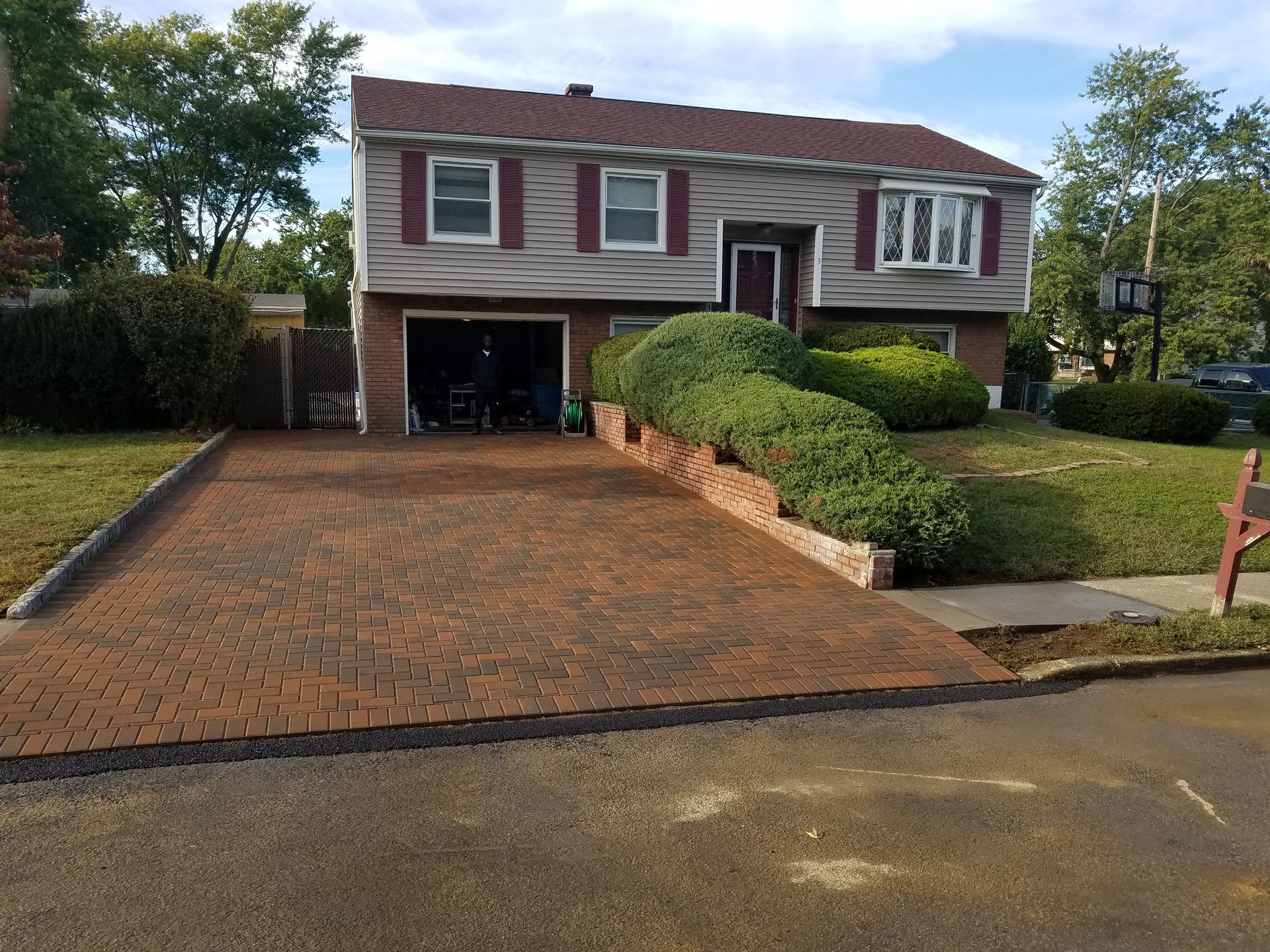
Driveways must support significant weight, and this paving system distributes pressure evenly across the surface. The interlocking design prevents weak points from forming, reducing the risk of sinking or rutting. Because weight is shared among multiple units, surfaces remain level even under frequent vehicle traffic. This load-bearing capacity makes interlocking pavers a dependable solution for both residential and light commercial driveways.
1.3 Low Maintenance Needs
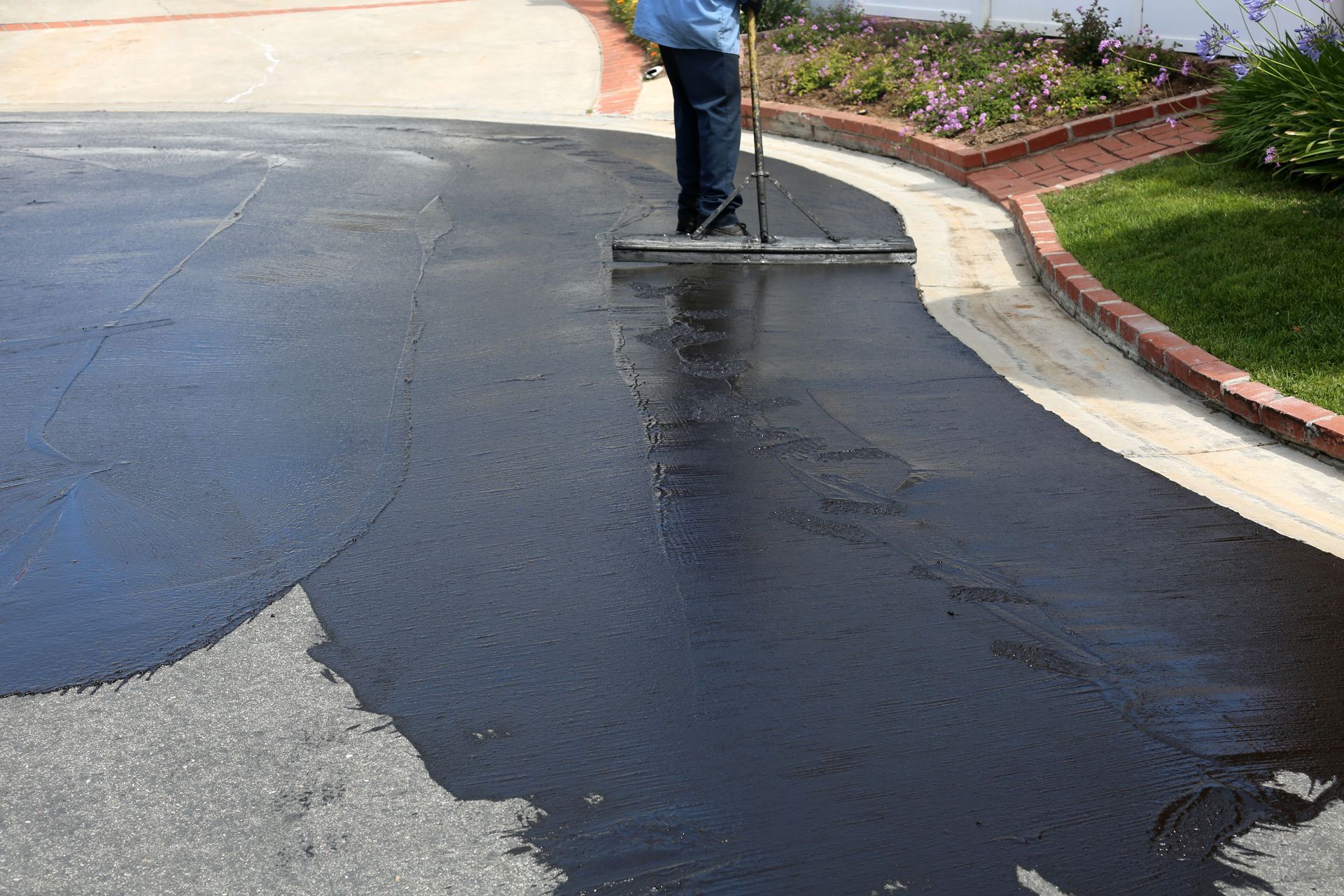
Maintenance requirements remain minimal compared to poured concrete or asphalt. Routine sweeping and occasional rinsing are typically enough to keep surfaces clean. Individual units can be replaced if stained or damaged, eliminating the need for full surface repairs. Unlike asphalt, these surfaces do not require regular sealing. The ability to make targeted repairs extends lifespan and reduces long-term upkeep costs.
1.4 Performance in Freeze-Thaw Cycles
Freeze-thaw cycles often cause cracking in solid slabs. The segmented nature of this system allows natural expansion and contraction without compromising stability. Sand-filled joints absorb minor shifts, protecting the surface from structural stress. This resilience makes interlocking pavers especially beneficial in regions with fluctuating seasonal temperatures.
2. Aesthetic Appeal
2.1 Design Flexibility
Homeowners appreciate the wide range of colors, shapes, and patterns available. Whether aiming for a contemporary layout or a traditional stone-inspired look, options are plentiful. Different laying patterns create unique visual effects, allowing patios and driveways to complement landscaping and architecture. Custom borders, accents, and contrasting tones further enhance the final appearance.
2.2 Complementing Architecture
Outdoor hardscape should blend naturally with the home’s style. These paving systems adapt easily to modern, rustic, or classic designs. Neutral tones pair well with minimalist homes, while textured finishes replicate the appearance of natural stone for traditional properties. This adaptability contributes to their widespread popularity.
2.3 Boosting Curb Appeal and Value
A well-designed patio or driveway significantly improves first impressions. Clean lines and defined patterns create a polished look that elevates the entire exterior. According to HomeGuide, adding a paver patio or walkway boosts home value, curb appeal, and offers a 69% return on investment. This financial benefit makes interlocking pavers appealing not only for immediate enjoyment but also for long-term resale considerations.
2.4 Timeless Appearance
Trends change, but classic materials endure. High-quality paving installations maintain their appeal for decades without appearing outdated. Because individual pieces hold their color and shape, surfaces age gracefully. This lasting elegance ensures outdoor spaces remain attractive long after installation.
3. Environmental Advantages
3.1 Improved Drainage
Proper drainage prevents standing water and soil erosion. The joint system allows rainwater to filter naturally into the ground below rather than pooling on the surface. This permeability reduces runoff and supports healthier landscaping. In urban areas, improved drainage also helps manage stormwater more effectively.
3.2 Sustainable Materials
Many manufacturers incorporate recycled aggregates into production, lowering environmental impact. Energy-efficient manufacturing processes further reduce emissions compared to some traditional paving materials. Choosing interlocking pavers can align with environmentally conscious construction goals without sacrificing durability.
3.3 Reduced Heat Absorption
Lighter color options reflect sunlight more effectively than dark asphalt surfaces. Reduced heat absorption helps maintain cooler ground temperatures during warmer months. Air gaps between units encourage airflow, further limiting heat buildup. This feature contributes to more comfortable outdoor living areas.
3.4 Reusability
Unlike poured slabs that require demolition, individual units can be removed and reused. This adaptability minimizes waste during renovations or expansions. When redesigning a patio or extending a driveway, existing materials often integrate seamlessly with new additions.
4. Cost Effectiveness
4.1 Long-Term Savings
Initial installation costs may be slightly higher than basic asphalt, but long-term savings often outweigh the difference. Reduced maintenance, fewer repairs, and long service life lower total ownership costs. Because interlocking pavers resist cracking and surface failure, homeowners avoid expensive full-scale replacements.
4.2 Simple Repairs
Damage rarely spreads across the entire surface. When a problem occurs, only affected units need replacement. This modular repair approach reduces labor expenses and prevents major disruption. The simplicity of repairs contributes to overall affordability over time.
4.3 Added Property Value
Investments in quality hardscaping frequently increase overall property appeal. Attractive outdoor features can influence buyer decisions and shorten selling timelines. Durable installations signal thoughtful maintenance and long-term care, further strengthening perceived value.
4.4 Flexible Installation Options
Projects can be completed in phases, allowing homeowners to manage budgets effectively. Smaller sections may be installed first, with expansions added later. The modular design supports gradual improvements without sacrificing visual consistency.
5. Installation and Versatility
5.1 Efficient Installation Process
Compared to poured concrete, installation requires less curing time. Once laid and compacted, surfaces are typically ready for use quickly. This faster turnaround minimizes inconvenience and allows homeowners to enjoy their upgraded spaces sooner.
5.2 Adaptability to Terrain
Uneven ground or gentle slopes can pose challenges for traditional materials. The segmented structure adapts to natural contours more easily. Proper base preparation ensures stability while preserving the landscape’s natural character.
5.3 Integration with Outdoor Features
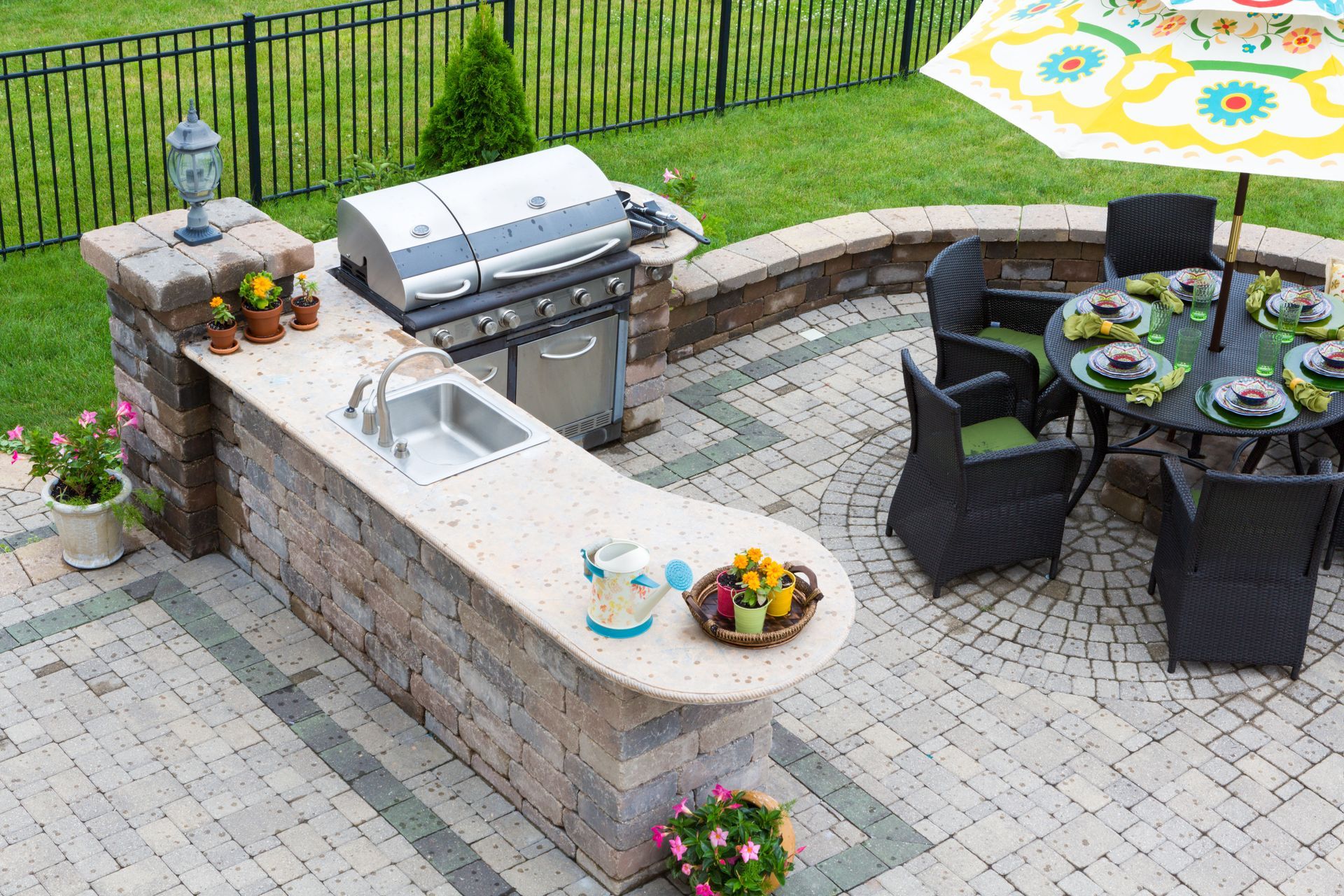
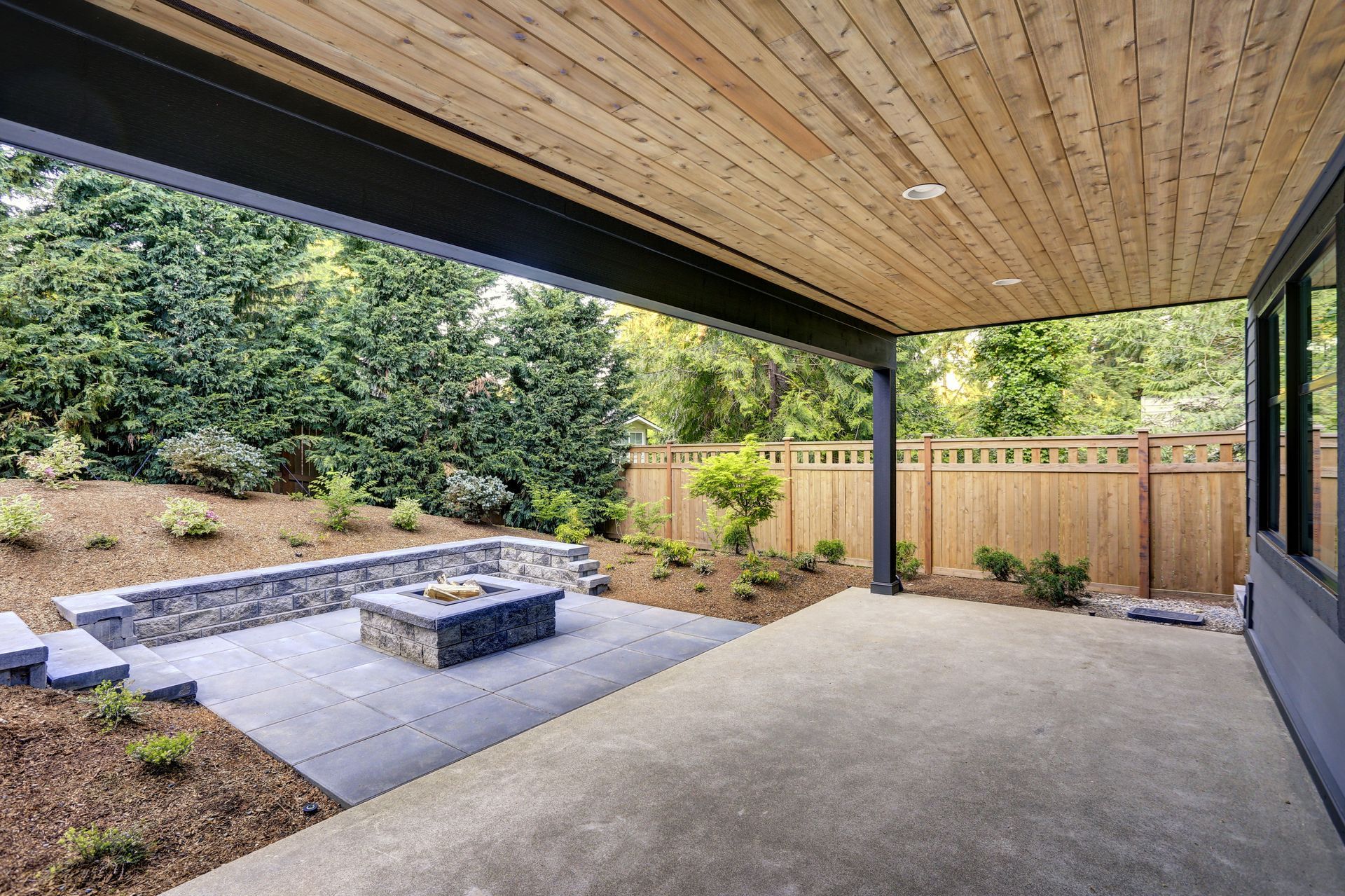
Patios often connect to fire pits, outdoor kitchens, or garden paths. Coordinated patterns create cohesive transitions between functional areas. Interlocking pavers work well alongside retaining walls, pool decks, and decorative borders, supporting unified design themes.
5.4 Expansion Potential
Outdoor spaces evolve as lifestyle needs change. Additional walkways or extended patio areas can be added without replacing existing work. Matching materials and patterns allows expansions to blend seamlessly with original installations.
6. Safety and Accessibility
6.1 Slip Resistance
Textured surfaces provide reliable traction, even when wet. This makes them a practical choice for pool surrounds, entryways, and frequently used walkways. Enhanced grip reduces slip hazards while maintaining an attractive finish.
6.2 Visual Definition
Contrasting borders and pattern changes can highlight steps or edges, improving visibility. Clear visual cues assist guests in navigating outdoor spaces safely, particularly in low-light conditions.
6.3 Smooth, Level Surfaces
Proper installation creates a stable, even surface suitable for everyday use. The interlocking system prevents significant shifting over time, maintaining accessibility and comfort. With consistent maintenance and occasional joint sand replenishment, these surfaces remain dependable for years.
Durability, design flexibility, environmental benefits, and cost efficiency all contribute to the growing popularity of this paving system. Interlocking pavers deliver structural strength for driveways, refined style for patios, and adaptable performance for evolving outdoor spaces. Their ability to withstand weather, support heavy loads, and simplify repairs makes them a practical investment. For homeowners seeking a balance between function and appearance, these paving solutions continue to provide lasting value and dependable performance. For more information, contact Perkins Concrete Inc.